










-
-
- R&D Unit
- Industrial Vaccine Production Unit
- Vaccine and Immunization Training Unit
- Vaccine Epidemiology Unit
- Preclinical and Clinical Research and Project Coordination Unit
- Epidemiology of Pandemic-Risk Infectious Agents Unit
- Bioterrorism Unit
- Laboratory Animal Production/Testing and Preclinical Research Unit
- Tissue Culture Collection, Viral and Bacterial Culture Banking Unit
- Quality Control Laboratory Unit
- Training, Administrative, and Financial Services Unit
-
-
-
- Announcements
- Key Dates
- FAQ
- Contact
November 12: World Pneumonia Day
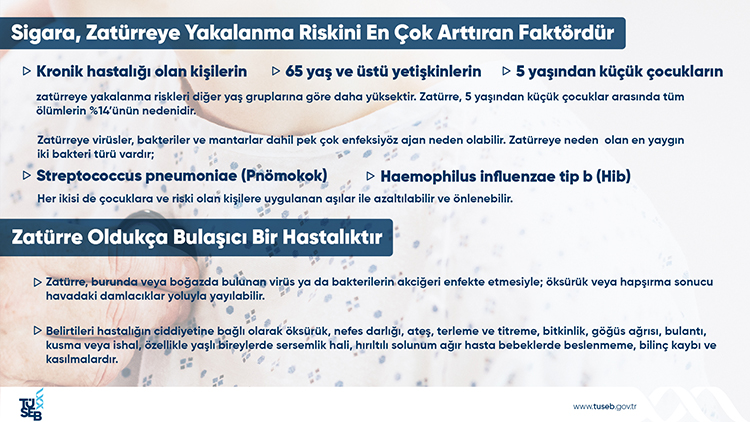
Pneumonia is a rapid-onset respiratory infection that affects the lungs. In a healthy individual, the small sacs in the lungs called alveoli fill with air during inhalation; however, in a person with pneumonia, the alveoli are filled with pus and fluid, which severely restricts oxygen intake.
Pneumonia can cause illnesses ranging from mild to life-threatening in people of all ages, yet it remains the leading infectious cause of death among children worldwide. In 2019 alone, pneumonia claimed the lives of 2.5 million people. Individuals with chronic diseases, smokers, adults aged 65 and older, and children under the age of 5 are at a higher risk of contracting the disease. Pneumonia accounts for 14% of all deaths among children under the age of 5, with more than 740,000 children losing their lives to this cause in 2019.
Pneumonia can be caused by various infectious agents, including viruses, bacteria, and fungi. The most common pathogens include Streptococcus pneumoniae (Pneumococcus), Haemophilus influenzae type b (Hib), and Respiratory Syncytial Virus (RSV). The former two bacteria represent the first and second most prevalent causes of bacterial pneumonia in children.
Factors that increase the risk of pneumonia among infants and children include a lack of exclusive breastfeeding, malnutrition, overcrowded living conditions, parental smoking, and indoor air pollution resulting from the use of biomass fuels (such as wood or dung) for cooking or heating. Additionally, pre-existing conditions, such as measles, significantly heighten susceptibility to the disease.
Pneumonia can spread via airborne droplets during coughing or sneezing, or when viruses and bacteria present in the nose or throat infect the lungs. Symptoms vary depending on the severity of the illness and include cough, shortness of breath, fever, sweating and chills, fatigue, chest pain, nausea, vomiting, or diarrhea. In elderly individuals, confusion (altered mental state) may occur, while wheezing, inability to feed, loss of consciousness, and convulsions are observed in severely ill infants.
Bacterial pneumonia is treatable with antibiotics. Adequate rest and increased fluid intake can further support a faster recovery for patients.
The World Health Organization (WHO) and UNICEF, through the Integrated Global Action Plan for the Prevention and Control of Pneumonia and Diarrhea (GAPPD), aim to end preventable childhood deaths from these diseases by 2025. The core strategies adopted include protecting children through exclusive breastfeeding and adequate complementary nutrition, preventing pneumonia through immunization, ensuring hand hygiene, reducing indoor air pollution, and providing every child affected by pneumonia with access to appropriate healthcare services.
The Childhood Immunization Schedule in Türkiye—which includes vaccines and administration timings for Hib, pneumococcus, measles, and pertussis—is provided below.
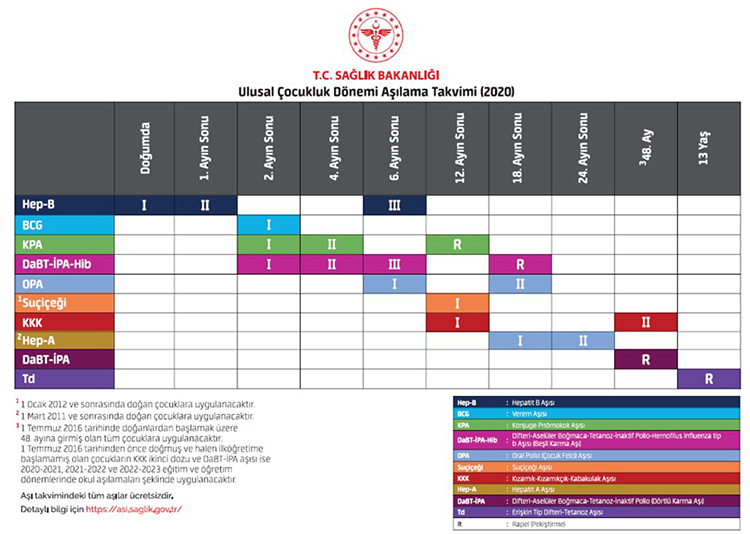
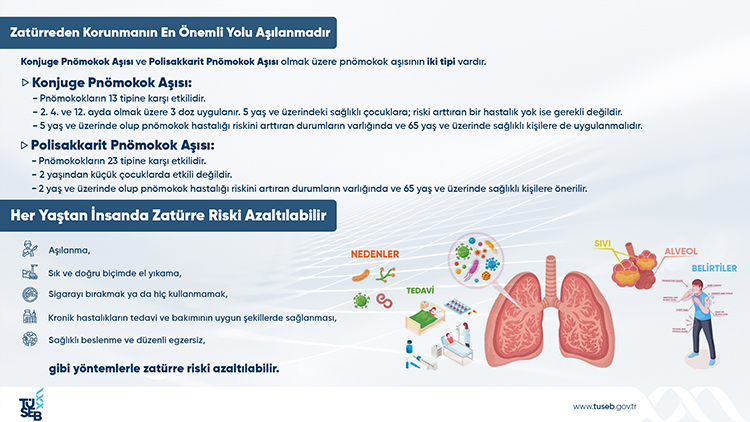
The Pneumococcal Conjugate Vaccine (PCV13), which is effective against 13 types of pneumococci, is administered at 2, 4, and 12 months during childhood. While vaccination is not mandatory for healthy children over the age of 5, the risk of pneumococcal disease remains high for individuals with certain underlying conditions—such as chronic lung disease, diabetes mellitus, and sickle cell anemia—as well as for adults aged 65 and older. Consequently, PCV is recommended for older children and adults within these risk groups and is administered at healthcare facilities providing free immunization services. Additionally, the costs for the Pneumococcal Polysaccharide Vaccine (PPSV23), effective against 23 types of pneumococci, are covered by the Social Security Institution (SGK) for risk groups defined in the Health Implementation Directive (SUT).
Immunization against pertussis (whooping cough) is provided free of charge at healthcare facilities. It is administered as part of the pentavalent combination vaccine (DTaP-IPV-Hib) at 2, 4, 6, and 18 months, followed by a booster dose of the quadrivalent combination vaccine (DTaP-IPV) at 48 months.
The Hib vaccine is a component of the pentavalent combination vaccine (DTaP-IPV-Hib) and is administered at 2, 4, 6, and 18 months of age. Vaccination against Hib is not required for healthy children over the age of 5 or for healthy adults. However, in the presence of certain medical conditions—such as prior to a splenectomy, sickle cell anemia, or stem cell transplantation—the monovalent Hib vaccine is recommended for older children and adults. This vaccine is supplied by the Ministry of Health and is administered free of charge at healthcare facilities providing immunization services.
Immunization against measles is conducted via the measles-mumps-rubella (MMR) vaccine at 12 and 48 months of age. The MMR vaccine is also recommended for individuals with specific medical conditions, such as bone marrow or organ transplant recipients, as well as for individuals at high risk due to their occupation, such as healthcare workers. These vaccinations are provided free of charge at healthcare institutions offering immunization services.
In accordance with the Health Implementation Directive (SUT), the cost of the influenza vaccine is covered by the Social Security Institution for individuals aged 65 and over, pregnant women, and other designated high-risk groups. COVID-19 vaccines are administered free of charge at healthcare facilities providing immunization services.
The risk of pneumonia can be reduced in individuals of all ages through the following measures:
- Vaccination: Immunization against Hib, pneumococcus, measles, influenza (flu), pertussis, and COVID-19 is the most effective method for preventing pneumonia.
- Hand Hygiene: Maintaining proper hygiene and frequent handwashing—particularly after providing care to patients or blowing one's nose—is essential to prevent the transmission of pathogens.
- Environmental Health: Reducing indoor air pollution and cessation of tobacco use.
- Respiratory Etiquette: Covering the mouth and nose with a tissue or the crook of the arm when coughing or sneezing.
- Management of Chronic Conditions: Ensuring the consistent treatment and clinical management of chronic diseases.
- Healthy Lifestyle: Maintaining a healthy diet, ensuring adequate rest, and engaging in regular physical exercise.
https://covid19asi.saglik.gov.tr/